
×

How to Install Numpy in PyCharm

What is PyCharm?

JetBrains created the hybrid platform known as PyCharm as a Python IDE. The Python IDE PyCharm is used by some major companies, including Twitter, Facebook, Amazon, and many others. It is frequently employed for creating Python applications.

PyCharm may be used on various platforms such as Linux, Windows. It also has modules and packages that make it easier and faster for programmers to use Python to create software. Additionally, it can be altered to meet the needs of developers.

numpy

To work with arrays, users mainly utilise the NumPy Python module. Matrix operations, the Fourier transform, and functions for working with linear algebra are also included.

Travis Oliphant created NumPy in the year 2005. It is an open-source project and is the abbreviation for numerical Python.

PyCharm is the best IDE for programmers. With PyCharm, you can manage your version control system, connect to a database, use the command line, and create virtual environments all in one location without constantly jumping between windows.

Install numpy in PyCharm IDE

Without installing the numpy module into PyCharm IDE, if you try to import the numpy module, you will see the text with a red underline, or you will not be able to see the text without any colours that are not highlighting of text as we see in general.

Step to Install Numpy in PyCharm

It is very simple to install the numpy module into pycharm by following the simple steps that are as follows:

Following these five steps, you will be able to install numpy in pycharm:

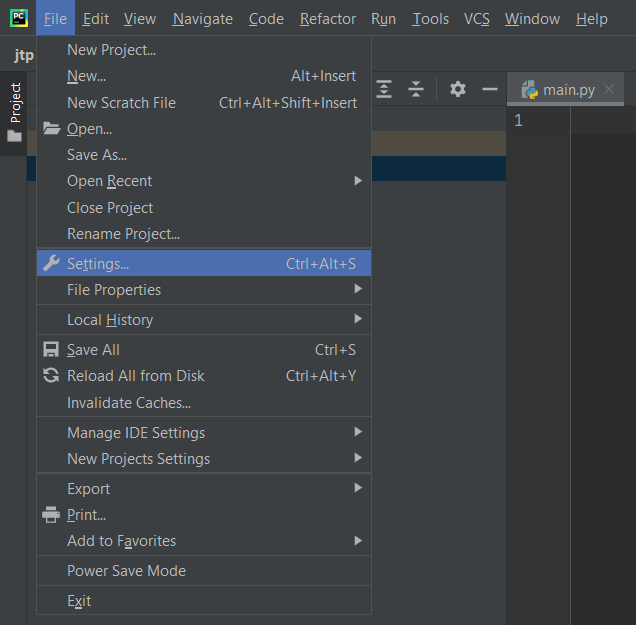
Step 1: Click on the file in the top left corner and click on the settings option from the file.
How to Install Numpy in PyCharm

You can also access the settings using the shortcut key that is Ctrl+Alt+S which will directly take you to settings.

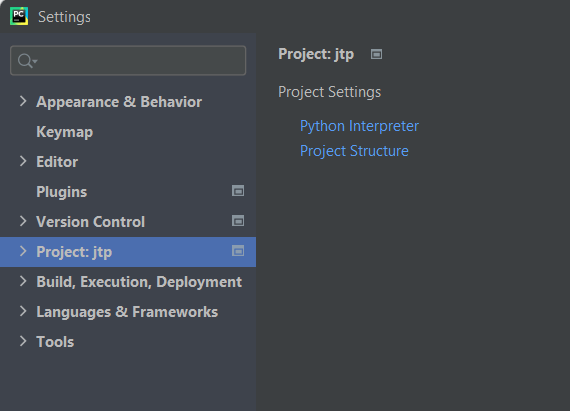
Step 2: On clicking settings, you will see a pop-up window, which shows your project details.

You will be able to see two options in the project space Project Interpreter and Project Structure.

Where Project Interpreter contains all the packages and tools required for running the python code, we can check whether the numpy module is installed or not.
How to Install Numpy in PyCharm

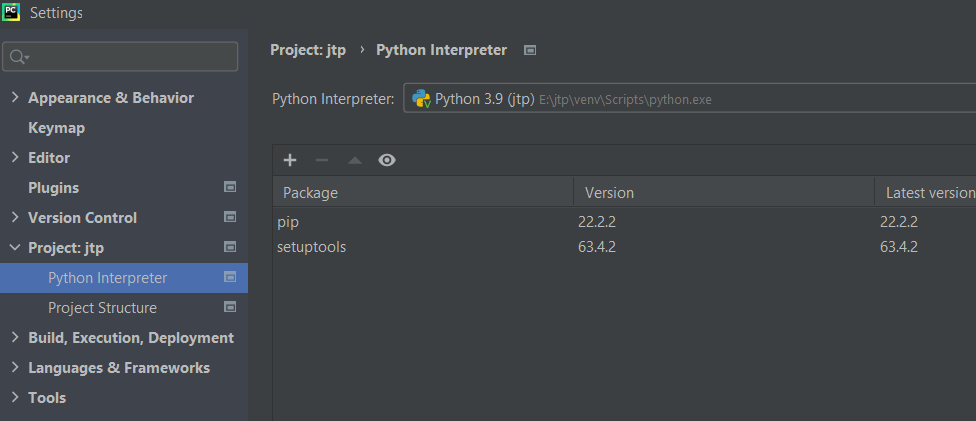
Step 3: On clicking the Project Interpreter, you will see all packages installed in the IDE.

Here you will be able to verify whether the required numpy package is installed or not. If numpy is not installed, you will not be able to see the numpy package.

To install numpy, you can install by clicking + symbol, which is present just above the package session.
How to Install Numpy in PyCharm

Step 4: Up on clicking on the + button. You will be able to see a dialogue box in which you can search for any package that you need, where you can find the search bar on the top left side.

Up on searching numpy in the search bar, you can see the numpy package on the left side and include its description and version on the right side. Before choosing and installing the package, verify the author and URL (numpy.org).

How to Install Numpy in PyCharm

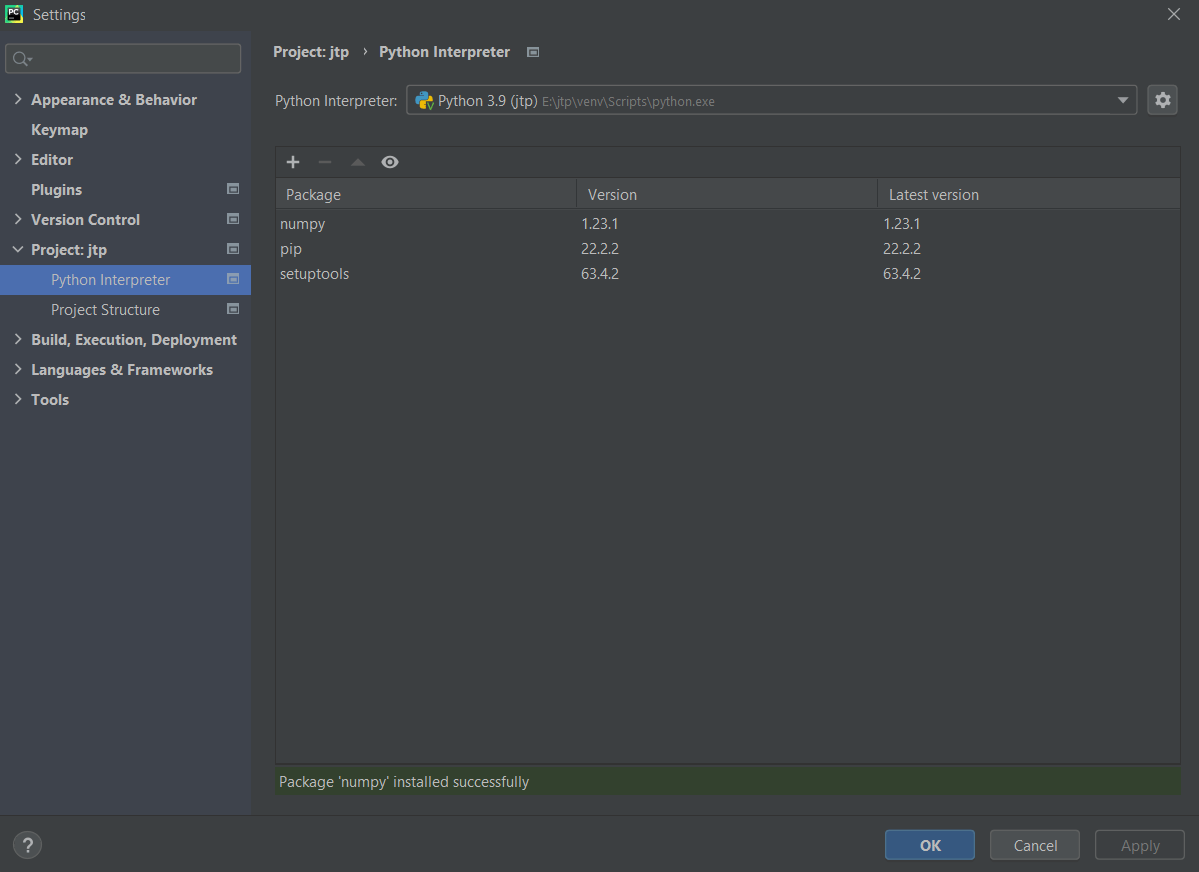
Step 5: By selecting the numpy package, click on the install package in the bottom left corner. Clicking on install by selecting numpy will start installing the package and ensure you have a stable internet connection.

And your installation process is done, and now you can use the numpy module in pycharm

 IDE.
How to Install Numpy in PyCharm

If the installation has not been done successfully, it may be due to pip not being installed on your computer. Pip is a python package installer that helps install the packages if the error has occurred due to pip as.

Pip is not found

Then go to cmd in your local computer and type the command:

Python -m pip install --upgrade pip

It will install the pip. If and if pip is already present on your computer, it will upgrade the pip to the latest version available.

And you can also use pip commands to install the numpy package, and the command for installing the packages are:

pip install package_name

For installing numpy, we use a command like:

Pip install numpy

The pip command will install the numpy package into the scripts of Python, and it can be used in any IDE present on the local computer.

Test whether numpy is installed or not

After installing the numpy package to check whether it has been installed or not, you can go to the pycharm IDE and use simple python code to check whether numpy has been installed.

import numpy as np
print(np.__version__)

It will display the present version of the available numpy, and if no package is found named numpy, it will show an error as no module named numpy.


Related Topics

Python Dictionary setdefault() method

Python Dictionary setdefault() method The dictionary.setdefault () method in Python returns the value of the item with the specified key. Syntax dictionary.setdefault(keyname, value) Parameter keyname- This parameter represents the keyname of the item you want...

1 minute read.

Is Python Case Sensitive

Case sensitivity is the mode of dealing with the written alphabet. The cases of the alphabet are examined and based on these words are being treated. The uppercase and lowercase...

3 minutes read.

Python enumerate() function

Python enumerate() function The enumerate() function in Python takes a collection (e.g. a tuple) and returns it as an enumerate object. Syntax: enumerate(iterable, start=0) Parameter Iterable:  This parameter represents an iterable object start:    This parameter represents a number defining...

1 minute read.

Difference between Yield and Return in Python

Python yield statement The generators are defined by using the yield statement in Python. Generally, it converts a normal Python function into a generator.  The yield statement hauls the function and returns...

3 minutes read.

Python hasattr() function

Python hasattr() function The hasattr() function in Python returns a Boolean value ‘True’ if the given object has the specified attribute, else it returns False. Syntax hasattr(object, name) Parameter object: it is a required parameter which represents an object. attribute:...

1 minute read.

Creating new Database using Python MySQL

In this article, we are going to discuss how to create a new database by connecting Python and MySQL. What is a Database? The places or memory used to secure highly and...

6 minutes read.

Python List pop() method

Python List pop() method The list.pop() method removes the item at the specified position in the list, and return it. If no index is specified, this method removes and returns the last item in the list. Syntax list.pop([i]) Parameter i:...

1 minute read.

Python getattr() function

Python getattr() function The getattr() function in Python returns the value of the named attribute for the given object. Syntax getattr(object, name[, default]) Parameter object: It is a required parameter which represents an object. name: This parameter represents the...

1 minute read.

Fsolve in Python

Python Programming Language Python programming language is one of the most used programming languages, as it is used widely in the field of software and data analysis, web development, etc. It...

3 minutes read.

Count Number of Keys in Dictionary Python

Dictionary is a particular data type in python. Dictionary stores unique values by taking different keys and their assigned values. Through this article, we will learn about python dictionary count,...

3 minutes read.

Confusion Matrix Visualization Python

The confusion matrix is a two-dimensional array that compares the anticipated and actual category labels. These are the True Positive, True Negative, False Positive, and False Negative classification categories for...

4 minutes read.

tell() function in Python

Introduction The tell() function in Python is used to return the current position of the file read/write pointer within the file. An integer value is returned by this method, and it...

2 minutes read.

Python Comment Block

In this tutorial, we will see what comment blocks mean in Python. Further, we will see the commenting methods supported in Python. We will understand the topics deeply with the...

6 minutes read.

Python Dictionary

Dictionary in Python is an unordered collection of data values, which is used to store data values like a map. Unlike different data types that hold just individual assets as...

4 minutes read.

Python complex() class

Python complex() class The complex() class in Python returns a complex number or converts a string or number to a complex number. Syntax class complex([real[, imag]]) Parameter Real: This parameter consists of a number representing the real...

1 minute read.

Python Rest API

In this tutorial, we will understand the meaning of API and REST API. We will understand the working of REST API. We will then realize the boundaries of architecture defined...

4 minutes read.

Python String center() method

Python String center() method The center() method will center align the string, using a specified character (space is default) as the fill character. Syntax string.center(width[, fillchar]) Parameter width This parameter represents the length of the returned string. fillchar...

1 minute read.

Python MongoDB Tutorial

An Introduction to MongoDB MongoDB is a document-oriented database application. It is an Open-source and platform-independent program. MongoDB is similar to few NoSQL databases that store the data in the documents...

17 minutes read.

Difference between Input() and raw_input() functions in Python

There are two input functions in Python that are used for taking input are given below: raw_input()input() What is raw_input() Function? raw_input() function is a built-in function in Python. It is used to...

6 minutes read.

Tuple in Python

Tuples Tuples are the same as the list but as we know that lists are mutable means we can change the data from it. In the tuple we cannot change the...

6 minutes read.